Profanity
“Words are free. It’s how you use them that may cost you.”
- Rev. J. Martin, Jesuit Priest, Author (1960 – Present)
Some may think swearing is an industry language in some professions that’s not going to change and that you've got to be boisterous to get results. Swearing can also be a sign of honesty because it's often used to express genuine, unfiltered feelings and emotions. Studies have shown it can also be associated with intelligence and social bonding.
The psychology of profanity involves its use to express strong emotions like anger and frustration, and a tool to cope with pain. Profanity can provide a form of emotional release, potentially triggering a fight-or-flight response that reduces pain sensitivity and can provide a purging to release built-up tension and cope with inner conflict.
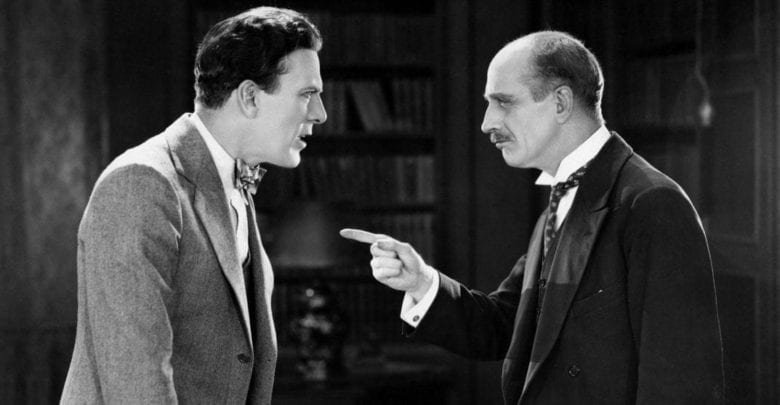
The perception of profanity is highly dependent on the situation and the speaker. For example, a person swearing to express pain may be viewed differently than someone swearing to insult another person. The social context, whether it's a mixed-gender group or an older audience, also plays a significant role in how profanity is perceived. It’s having the discretion to know when to adjust to the proper audience. When used to emphasize disdain and anger, foul language reveals an emotion that is less than complimentary to a man’s character. When used to berate, insult, and verbally abuse someone, it is like the bite of a Cobra. It’s not the bite that kills; it’s the poison injected from our words.
If you get offended by hearing a priest, pastor or any other representative of moral integrity use profane language, then you are being hypocritical and self-righteous in your own “freedom of expression” to use profanity with little regard for your audience.
What most may not realize is not all men find cursing a natural or harmless freedom of expression. To some, the practice of extreme four-letter profanity and swearing is a detestable act that’s comparable to verbal vomit on those who live by a different standard and to not show restraint is merely another form of disrespect to the listener.
I think the reason that swearing can be so offensive yet so acceptable is that it is a way to push people's emotional buttons, and primarily their negative emotional buttons. Because words drive home an effect that will either inflame or douse the fuse that comes in a heated conversation.
When we use too much bad language, it forms a barrier between the reality of a situation and the over exaggerated passion which lessens the credibility of the narrator and a foul tongue reveals a lot more about them than the one they are using it against.
Bad language, although colorful, can disadvantage your soul since this is not the language of the divine or the character of the dignified. Some studies have found that speakers who use profanity are rated lower in overall impression, intelligence, and trustworthiness.
Language is our way of communicating what we want and who we are. By using bad language, we diminish the eternal spark within us that defines our humanity. If thought corrupts language, language can also corrupt thought.
Never say mean words out of anger. Your anger will pass but your mean words can scar a person for life. Using bad language is pouring gasoline on an already volatile situation and our role as men is to model the masculine trait of self-control and not the emotional outburst of femininity.
Bad words don’t exist, only bad intentions. When you stop using foul language, your words gain the power to bless those listening. Jesus taught the following in the book of Matthew; "what comes out of the mouth, this defiles a man" because the mouth speaks from what the heart is full of. Using foul language to show how macho you are won't get you anywhere, it just shows a lack of character. If bad words are the only way to express your feelings, it may be time to increase your vocabulary.
Having an uncensored filter when using bad language is one thing, but lacking respect for those around us is a deeper personality flaw that speaks louder than our words ever could.